Silicon Pirates: Six Weeks of Updates and Fixes Since the Beta 3 Launch
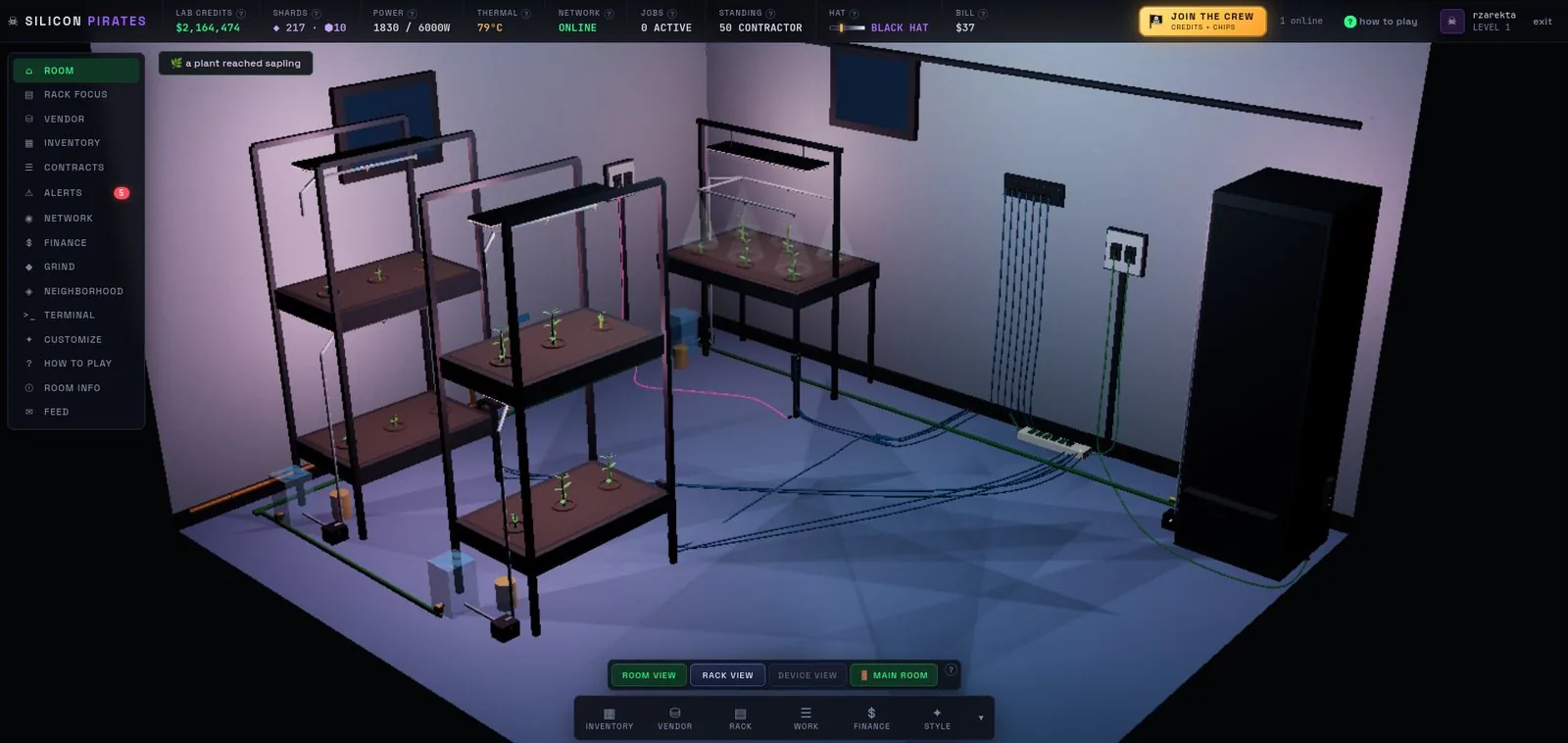
Beta 3 went live on 28 September. Since then I have shipped something to the live game most days, usually a few things. Here is the lot in one place, grouped by what it touches rather than by date, with the bug fixes players reported at the end. Everything in this post is in the game right now, free, at sp.silicon-pirates.com.
Power and heat
The breaker box became a real one: a main breaker sized by your grid service, two wall circuits a room, breakers that trip and get reset by hand. The service ladder now runs from a 20 A starter all the way to 400 A industrial, and the feeders get rewired with it. Heat matters: a rack has its own air, a box held too hot smokes, and a rack can burn and be scrapped or scavenged. There are one-press steps to cool a hot room down.
In late October the street started having power cuts: random outages, rare on a big service and more common on a small one. The same week off-grid power arrived: solar panels, charge controllers, inverters and batteries, a power station that installs it all in one spot, sell-back to the grid, and books that show today's numbers per mode. Then, last week, Room Climate: every room has a temperature and a humidity, what runs in it heats it, and three tiers of cooling plus vents keep it where your machines like it. That one has its own post.
Network and internet
The internet comes from an ISP box on the wall now: four plans by promised uptime, monthly invoices, outages, a second line from another carrier, and dual WAN failover on the router. Networks can be split into zones with rules, named, and joined by VPN tunnels. The network map opens as a pop-up of the whole thing and saves as a PDF. Patch panels got bigger, automation works across the network through a switch, a router behind a switch behind the ISP router gets the internet, the ROUTING tab prints the routing table, and the internet verdict in FINANCE tells you when one firewall is the single point of failure. Shares and backups now work on a network with no internet at all.
Storage and the workbench
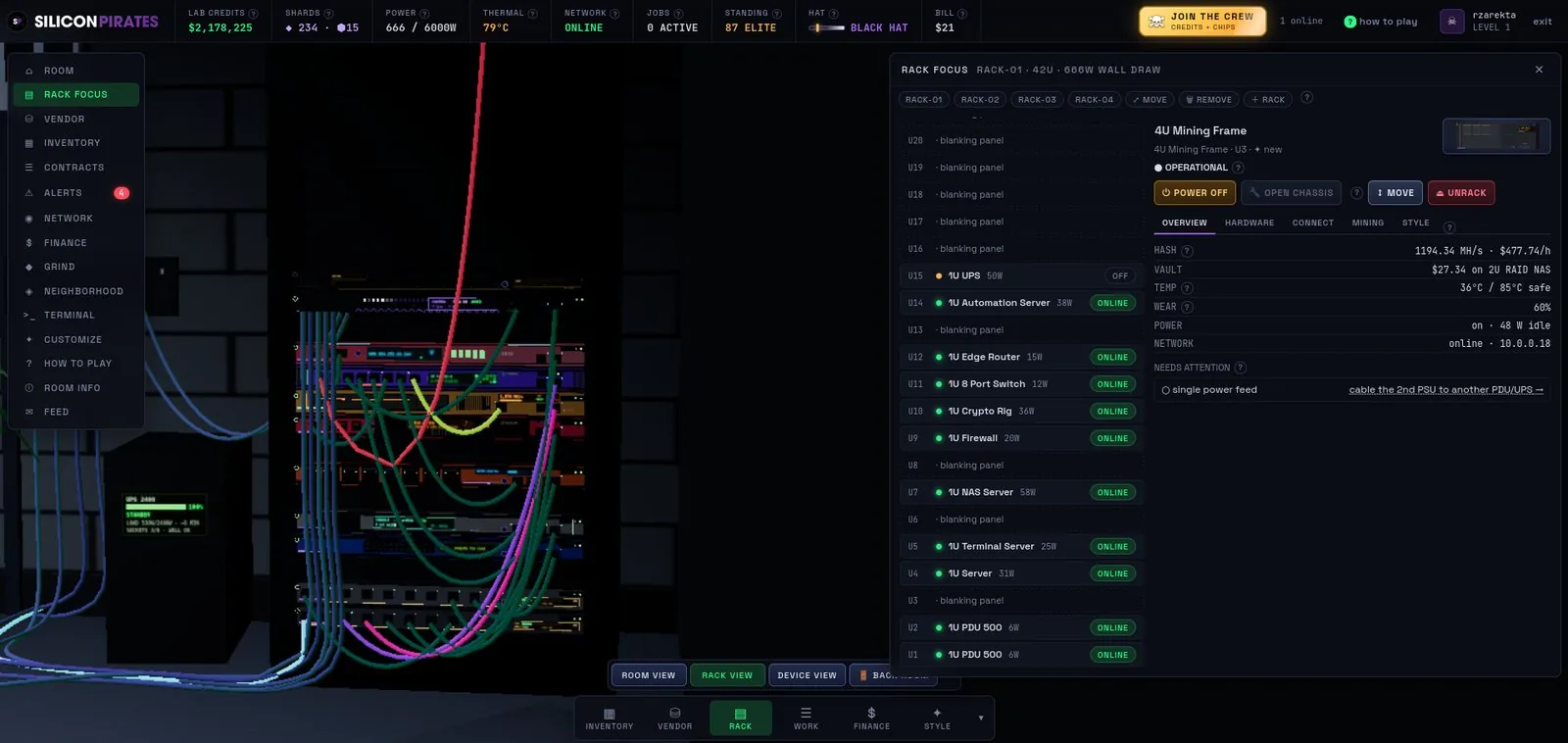
Any NAS can join a storage matrix, bringing its data with it, and the head needs a fast enough network card for the size. A server with internal drives can share them or keep them for itself. The repair shop opened in early October: work orders to fix other people's machines, tools you buy and wear out, a pegboard, six mini-games at the bench, burn-in, reviews, a tech you can call, and tiers that climb from home repairs to data-centre RMA batches, warranties and data recovery. You cannot open a box without a screwdriver any more.
Custom builds came in mid October: empty 1U, 2U and 4U cases built at the workbench, where the board decides the sockets and the parts decide the jobs. Last week they got a faceplate designer with an engraved nameplate and a choice of finish. Every device's internals now fit without clipping, fans fit by case height, and a 2000 W PSU exists for the people who want more hash boards than their supply allowed.
Rooms, cables and decor
The Basement is a third room, earned with 30 work orders and bought for $12,000, and there is no longer a cap on decor. Racks come in 6U, 12U, 20U and 42U and go in any room you own. Cabling got precise: pick a jack, snap, see the verdict. A cable kit runs floor cables along the baseboards. Every plug can carry a colour. Tapping a plugged jack puts the cable end in your hand. Anything with a top carries what stands on it when it moves. A FRONT marker shows which way a thing faces while you place it.
Decor grew fast: a cork board for notes, posters, rack styling, neon signs that edit themselves, a vending machine with a digital screen, a live wall screen, a global °C/°F switch, and the inventory reorganised into shelves with a search and a sort. Hover any object and its MOVE, FOCUS and OPEN sit right under its name. The side rail got flat white icons on 4 November.
Things to do when the rack is quiet
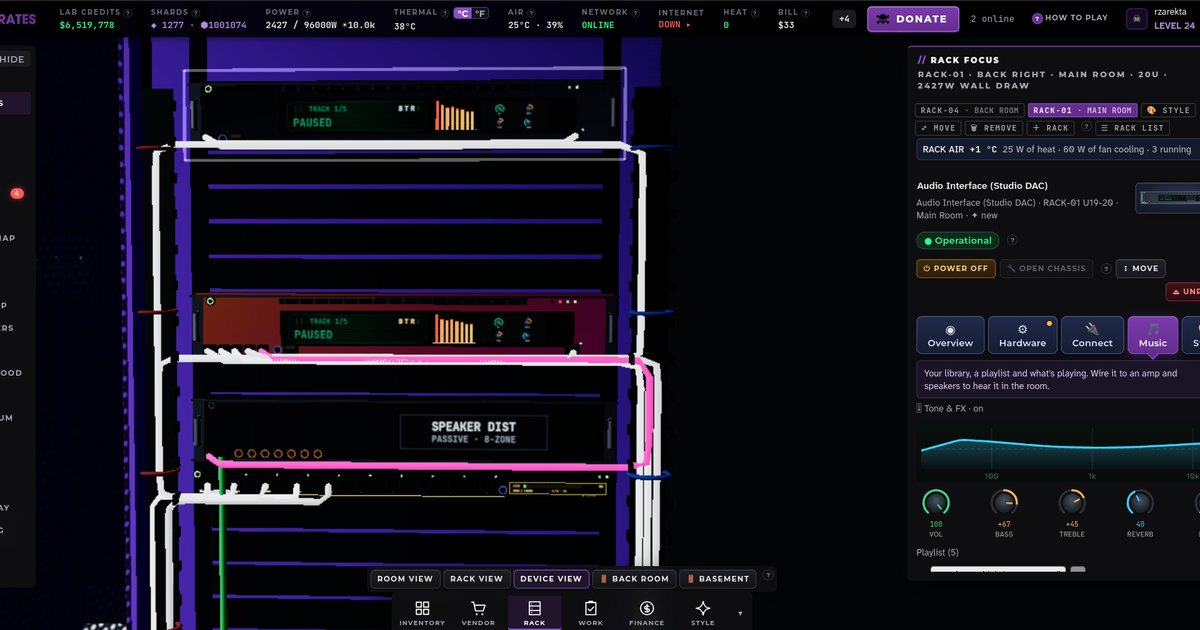
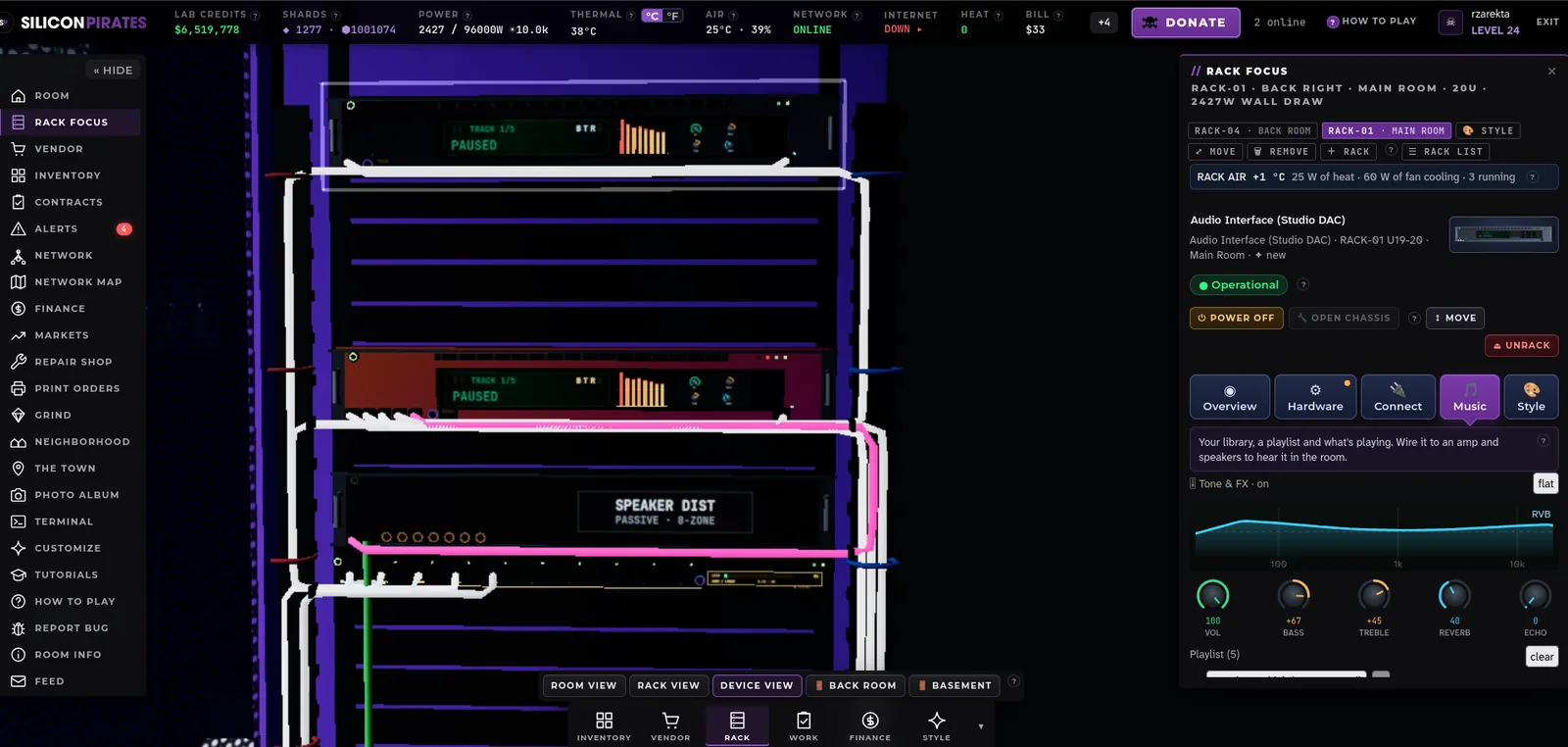
The arcade cabinet runs four games and a global high-score board, takes a dollar a game into a coin box you cash out, and pays the world record holder Chips every day. Visitors can play yours. The DOOM and Wolfenstein 3D uplink modules run the real games from your own copies of the files. A mouse moves into the lab after a while; adopt a cat and watch the hunt end in friendship. The aquarium's fish get hungry and play. A photo album takes Polaroids of your rooms, and you can post them to a public gallery on silicon-pirates.com. The print farm fills shelves with 3D printers, filament and print orders. Your figure in another player's lab is now a modelled hologram that walks like a person. And since 7 November, the Audio Rack: your own MP3s through tiered speakers that visitors hear too.
Money and progress
The crypto market has random, game-wide crashes now, and FINANCE breaks income down by stream and tells you why a rig is not mining. Players can mint their own coin on a 4U mining frame, list it game-wide with a white paper, and earn a fee on every trade. November brought five new contracts, quick jobs, weird repair tickets, print pieces and missions, plus milestones for the net and the arcade. Your account shows hours played. The operator level counts faults you fixed by hand, not ones you paid for. The Daily Brief carries notices from me, with a picture when there is one. Donations got bigger bundles and a $25 sticker pack that ships four holographic stickers anywhere.
The terminal
Every command has a man page, help is grouped by family, output comes in columns with headings, and there is a scripting manual for first-timers with every example tested. New verbs arrived with each system: climate, hvac, audio, arcade, and more.
Bug fixes players reported
More than twenty numbered reports came in through REPORT A BUG, and every one got fixed. The ones most people will notice:
- Cables no longer pass through rack doors, and a box with no PSU, CPU or RAM says which part is missing instead of pretending to boot.
- When a repair needs a tool or supply you do not own, a BUY button appears right there.
- A boxed printer can be sold back.
- A router's WAN jack is always its upstream side, and DHCP never leaks past it. Racks can move to another room.
- Big labs stopped freezing: the alerts are counted in a background worker, only what changed is redrawn, and the server sends only what changed.
- The programmed-channel cap went from 64 across the lab to 512.
- The PSU ceiling says exactly what to change, and a 2000 W supply exists.
- A NAS fills five times slower from mining logs.
- Reset is a true fresh start: the Basement, the repair shop's tier and reviews go too.
- Every spare part model is offered when fitting, the right one first; long labels wrap; stash prices show to the cent.
- A patch panel never claims to be "switched on, no power". A UPS that is switched off runs down like a real one.
- The inspector scrolls as one column on short screens, DOOM no longer binds anything to Ctrl, and the audio displays follow play and pause.
Behind the scenes, the weekly sweeps closed several ways to mint Chips or money that were never meant to exist, email verification and sign-up checks got stricter, and the server tick takes about half the time it did, with a load indicator on the admin side so I can see when it is busy.
What is next
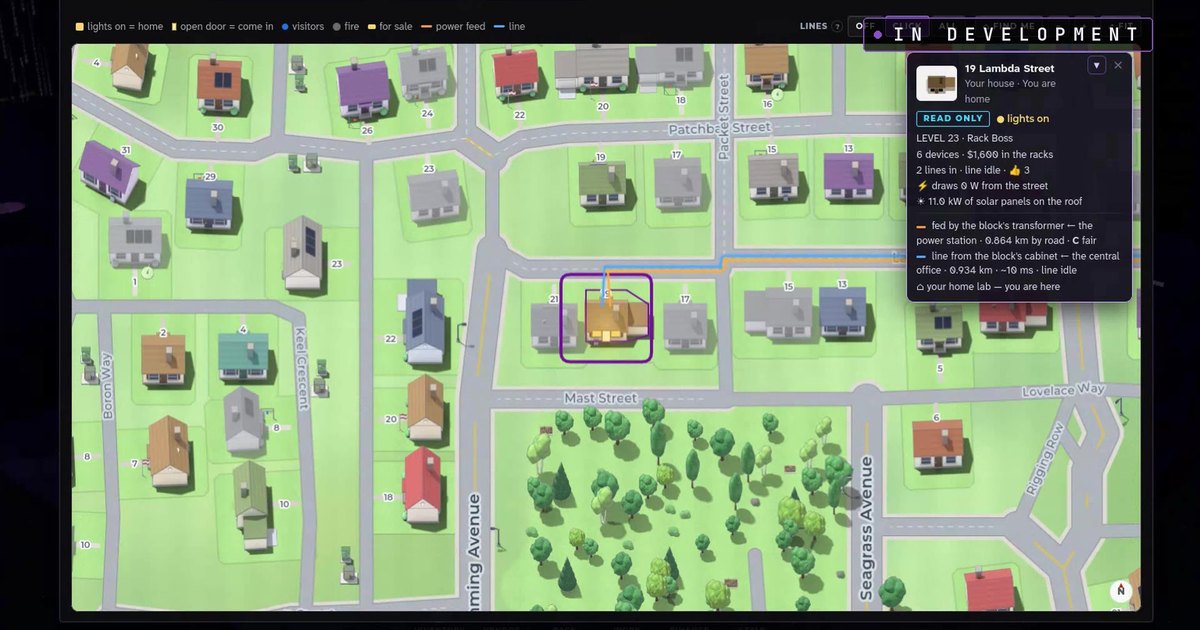
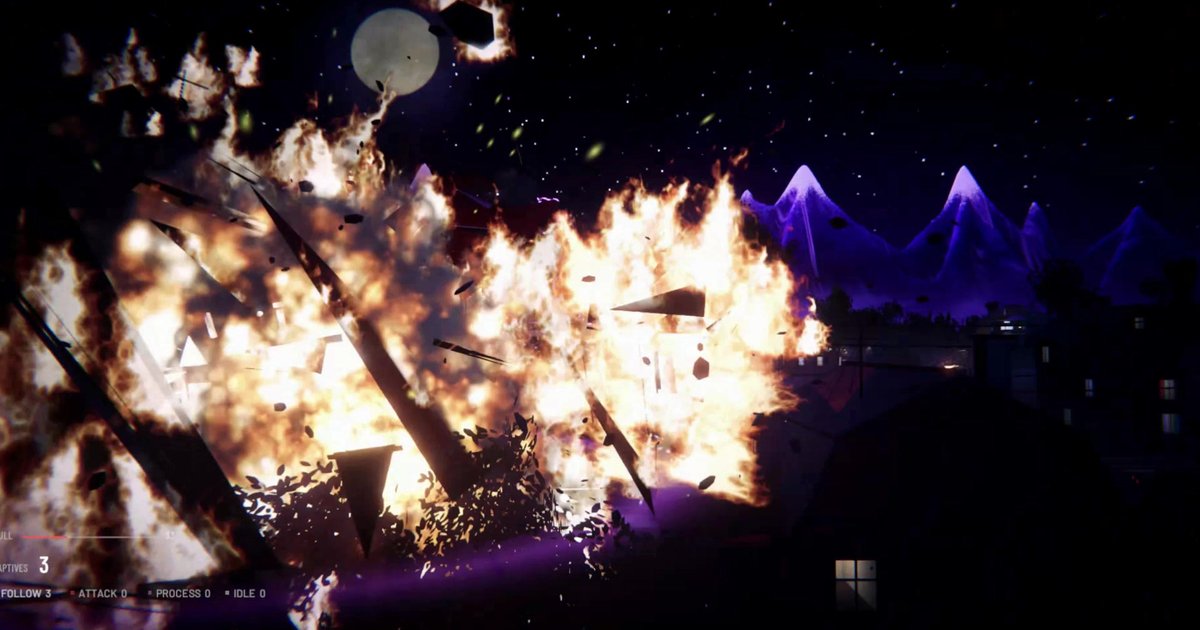
The World Update, v0.5, is still the next big one: beyond the homelab into a connected town, and out of Beta into Early Access. The trailer and the road to v1.0 are in the October post. Thank you to everyone who played, reported, and kept telling me what to build next.
Questions people ask
Is all of this in the game now?
Yes. Every item in the post is live at sp.silicon-pirates.com, free, in your browser. Nothing here is a preview.
Where do bug reports go?
REPORT A BUG in the game's left rail. Reports get a number, and each one in this post was fixed and shipped, usually within a day or two.
What is the World Update?
The next major stage, v0.5: beyond the homelab into a connected town, and out of Beta into Early Access. The October post has the trailer and the road to v1.0.